
Maintaining the cleanliness of a carpet in a home or commercial property can be tough. Vacuuming regularly is essential to maintain overall cleanliness and reduce the risk of a buildup of dust, dirt, and oily residues that can sink into the fibres of your carpet, where a standard vacuum can’t reach. Hot water extraction is the preferred option for carpet cleaning.
If you’re wondering what is hot water extraction carpet cleaning, it’s a deep cleaning approach that rinses and lifts grime out of the carpet pile rather than masking it. It’s especially useful in high traffic areas where surface dirt gets walked deeper into the floor covering. Compared with surface cleaning, it’s a more thorough way to remove dirt and support clean carpets over time.
How Hot Water Extraction Works
This method uses heat and suction to loosen the buildup of dirt and dust. Unlike shampooing a carpet, hot water extraction doesn’t leave a sticky residue behind, and instead uses a rinsing process.
In practice, the hot water extraction method relies on a powerful machine heats water and sprays it with a cleaning solution, then immediately pulls it back up with suction. That rinse-and-recovery step is what separates water extraction from many other carpet cleaning methods, because it aims to lift dirt particles out of the carpet fibers instead of leaving them behind. Some people compare it with steam cleaning, but steam cleaning is often used as a catch-all term even when a rinsing extraction step is involved.
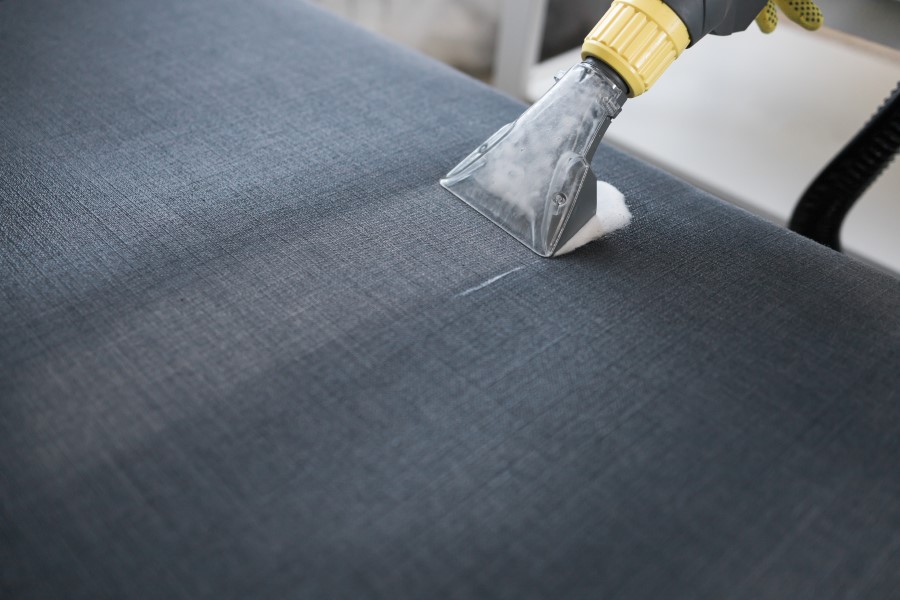
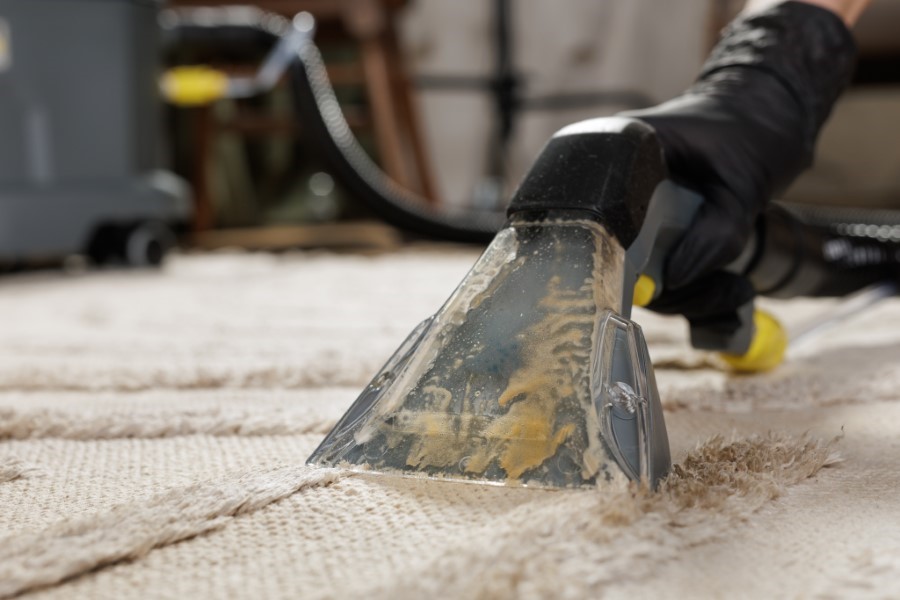
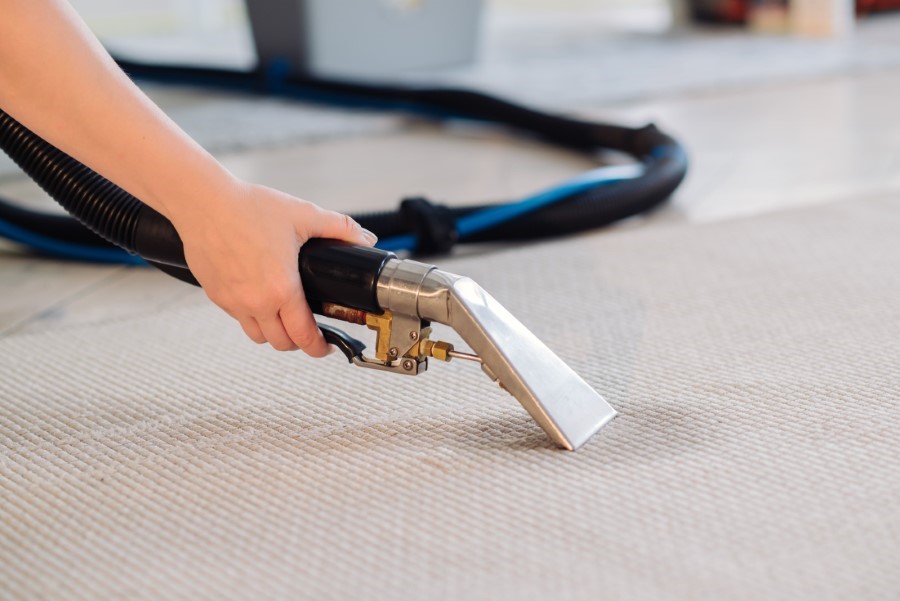
The Process of hot water extraction:
- Hot water and a cleaning agent or chemical compound are injected into the carpet fibres under high pressure.
- The pressure loosens embedded dirt, mould, and grime that has become stuck or embedded in the fibres.
- A powerful vacuum immediately sucks the water with the loosened debris into a separate recovery tank in the machine.
This method leaves your carpet not only visibly cleaner but also sanitised and fresh. By separating the clean water from the dirty remnants, this ensures you aren’t just moving dirt around the room while you’re cleaning.
Carpet Types and Hot Water Extraction
Carpet materials can react differently to moisture and heat when choosing hot water extraction. Before starting, it’s vital to identify the type of carpet you have and which material it’s made from.
- Nylon is highly durable and resistant to most stains. It also handles the high temperature of the water.
- Polyester is soft and comfortable. Always blot stains rather than scrub them to avoid fraying the carpet fibres.
- Wool is a natural absorbent fibre, and spills must be addressed to prevent them from soaking into the carpet fibres. Hot water extraction is great for wool carpets, but it does require lengthy drying.
- Plant fibres are eco-friendly but can also be delicate. They stain easily and can be sensitive to excess water, so dry cleaning is often preferred over hot water extraction.
Is Hot Water Extraction Essential for Carpet Cleaning?
It depends on whether the carpet of you residential home or commercial property needs a deep clean. It’s also important to factor in the type of carpet you have and what material it’s made from.
If you’ve tried steam cleaning or steam cleaners and the stains keep returning, that’s often a sign that residue or deeply embedded dirt is still sitting in the carpet fibers. Hot water extraction cleaning is often chosen for stain removal because the rinse step helps remove stains rather than leaving cleaning products behind. For tough stains like tracked-in mud or drink spills, a pre-spray cleaning solution can help remove stubborn stains before the main water extraction pass.
Hot water extraction is the most effective way of cleaning a carpet as it goes deeper than surface level, and tackles stubborn stains as well as getting into the carpet fibres. Hot water extraction removes loose debris and then separates the dirty water so your clean water isn’t contaminated.
This form of carpet cleaning can be time-consuming as the drying time is longer than a regular vacuum clean. However, it does ensure longevity and doesn’t affect the durability of the carpet.
Hot vs. Cold: Which is the Better Method?
Cold water can be used for stubborn stains and prevents them from settling into the carpet fibres. Hot water is the superior choice, as it works well as a deep clean.
Using hot water dissolves and breaks down oily residues, dirt and grime much faster than cold water. Hot water extract also helps to kill bacteria and reduce dust mites, which is essential for households with high traffic and those who suffer from allergies. High temperatures can assist the cleaning chemicals to work more effectively, meaning you can use less product to achieve a better result.
Is Hot Water Extraction the Same as Steam Cleaning?
Despite hot water extraction and steam cleaning being referred to as the same method when carpet cleaning, there are a few notable differences.
Steam cleaning typically leans on steam for sanitising, while the hot water extraction method focuses on flushing and water extraction to carry debris away. Many professional carpet cleaning companies still describe their service as steam cleaning because it’s a familiar term, even if the equipment is actually doing hot water extraction cleaning. If your main goal is to remove stains and gritty soil, ask whether their process includes a rinse and strong recovery, not just steam.
Steam cleaning focuses on high-heat vapour to sanitise and refresh the carpet. Hot water extraction uses actual liquid water under pressure to wash and rinse the fibres physically. For a thorough deep clean that removes physical dirt and grit, Hot water extraction is generally the more effective method.
A Step-by-Step Guide to Using a Hot Water Extraction Machine
When using a hot water extraction machine or piece of equipment, it’s essential to take these steps.
- Prep the Area, and move any furniture out of the way to vacuum thoroughly. You’ll need to remove loose hair, dust, and crumbs so the machine can focus on the embedded dirt.
- Apply a stain-specific product or chemical compound onto stubborn stains and spills, and allow it to sit for a few minutes.
- The machine must be filled with hot water and vacuumed in straight, overlapping lines to ensure no spots are missed.
- To prevent mould or a “musty” smell, you must air out the room by opening all doors and windows to encourage air circulation. Using floor fans can significantly shorten the drying time.
When choosing hot water extraction for carpet cleaning, it’s essential to acknoweldge the drying time is considerably longer than other cleaning methods. It’s also eco-friendly, as it relies more on heat and pressure instead of using harsh chemicals and cleaning agents. It also significantly extends the longevity and durability of your carpet.
Hot-Water Extraction FAQ
It’s a deep cleaning method that sprays water and a cleaning solution into the carpet, then uses strong suction to pull the moisture and loosened debris into a recovery tank.
They’re often used interchangeably, but they aren’t always the same. Steam cleaning focuses on steam, while hot water extraction uses pressurised liquid water and suction to physically flush and remove dirt.
Drying can take longer than regular vacuuming because more moisture is used during the wash and rinse. Doing extra dry passes and improving airflow with open windows or fans can help carpets dry quickly and reduce the risk of a musty smell.
Yes, it’s commonly used for stain removal because the rinse step helps remove stains and debris instead of leaving cleaning products in the fibres. Pre-treating tough stains can improve results before the main extraction pass.
Rented equipment can work for basic carpet cleaning, but suction strength varies. If recovery is weak, carpets may stay damp longer, so it’s worth checking the machine’s vacuum performance and doing additional dry passes.