
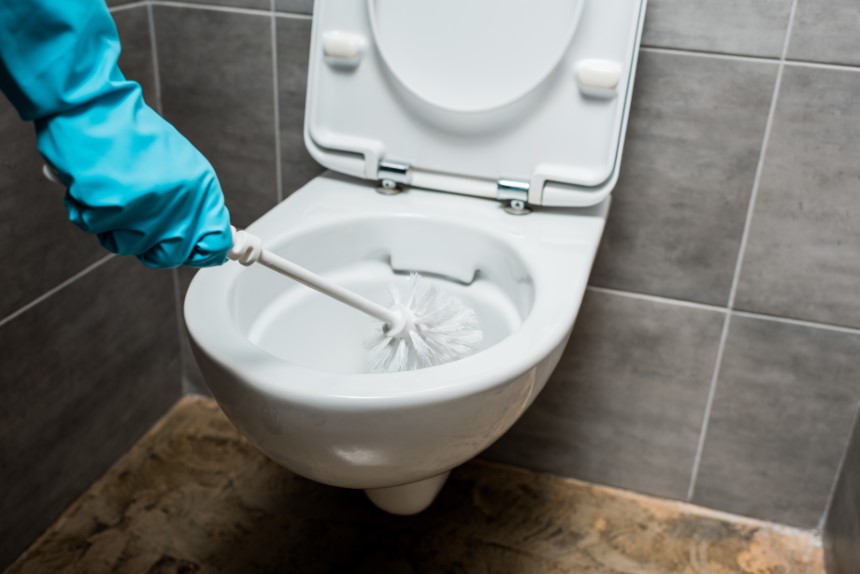
Bending over the toilet bowl trying to remove limescale from its ceramic surface might not be the perfect way to spend one’s time. Many households, however (as we have noticed), suffer from limescale stains in their toilets and shower screens and need effective methods to clean limescale efficiently. It is an issue that needs to be resolved as quickly as possible. Limescale causes not only unsightly stains and scummy residue, they poses potential health risks. For that reason, knowing how to remove limescale from toilets is crucial.
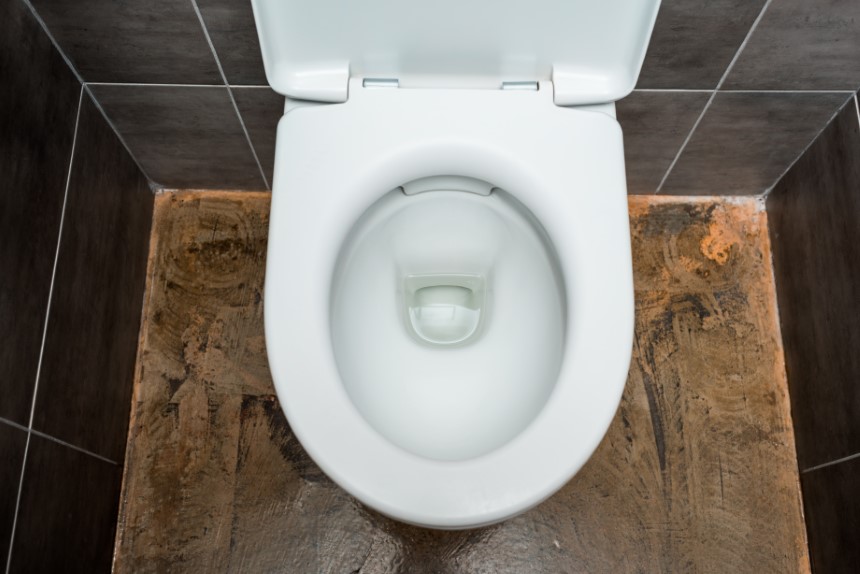
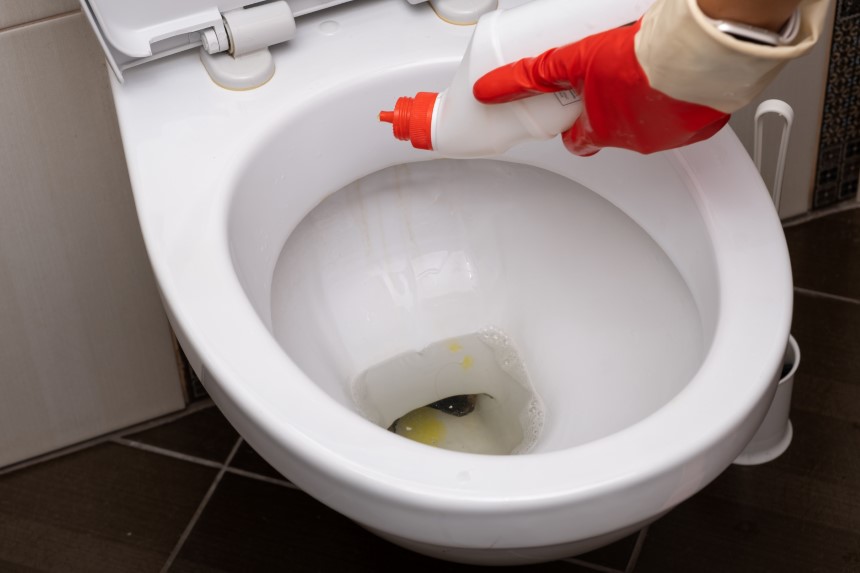
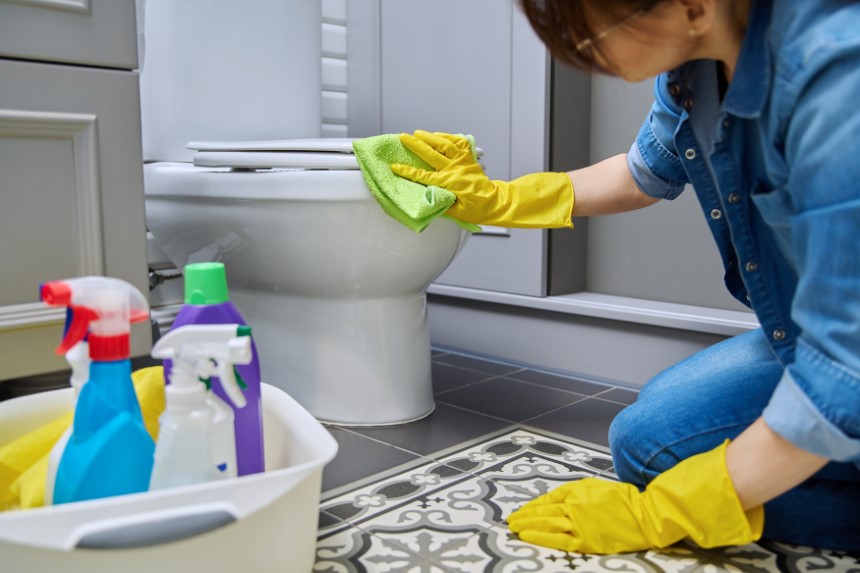
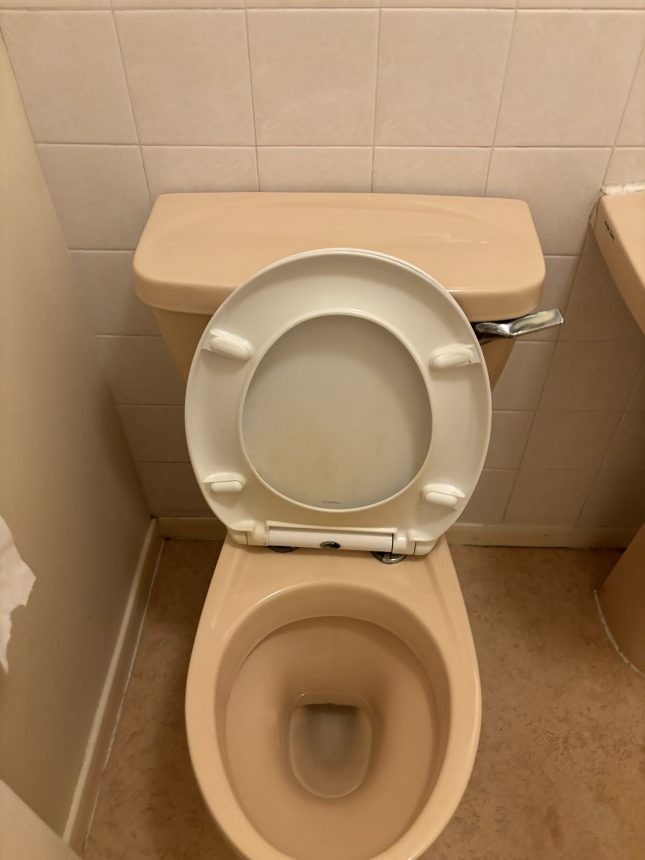
As adviced by our pros: before you start, lower the water level if the stain sits below the waterline, then apply your chosen solution and give it time to work before you scrub with a toilet brush. A simple spray bottle can help you aim under the toilet rim where limescale likes to hide, and it also reduces splashes.
Hard Water Areas and Limescale
Limescale is a hard chalky substance that builds up in your toilet bowl. Areas with hard water experience limescale all around the bathroom and the kitchen as well. Limescale is the result of soluble calcium carbonate converting into insoluble calcium carbonate. Since, as surprising as it may seem, roughly 60 percent of UK households use hard water supply, it is more than likely that you will have to face the challenge of removing limescale from your toilet at some point in your life. Fortunately, keeping your toilet clean is not such a hard task. If you clean the toilet bowl regularly, using the right tools, you will not have to roll your eyes at the sight of limescale in your toilet much often. And when you do, all you have to do is try some of these tested tricks to completely remove limescale build up from the bowl.
If you also notice a chalky line around taps or on glass shower screens, it’s usually the same hard-water minerals, so the habits that remove limescale from your toilet can help elsewhere too. Regular cleaning slows the build up, which makes thick limescale far less likely to form in the first place.
Using lemon juice and white vinegar
One of the super cost-effective and efficient cleaning products that will help you get rid of limescale in your toilet is lemon juice. Squeeze a couple of lemons in a cup of white vinegar. Pour this eco-friendly cleaning solution over the areas in your toilet bowl that are affected by limescale and let it sit for a few minutes to do its magic. The combination of lemon juice and white vinegar is powerful enough to disintegrate the limescale deposits on your bowl so that you can scrub them with the toilet brush and water. Those liquids actually are being used for cleaning many different parts of a home or another type of property even by pros like us. In addition to being fairly cheap and efficient, lemon juice is a natural product that will not pose the health risks of the harsh chemicals some dedicated limescale cleaners use.
Citric Acid in Warm Water
For a stronger citrus option, a small amount of citric acid dissolved in warm water can be applied with a spray bottle, especially around the toilet rim. Let it sit, then work around the bowl with a toilet brush to lift limescale from your toilet without scratching the surface.
Remove Limescale With Cola
Coca-Cola is famous for being a universal cleaning product that many households use. Some find it surprising that its cleaning qualities are not just a myth. In reality, Cola is one of the most effective and budget-friendly solutions for removing limescale from your toilet. Just open the bottle of Cola and guide it around the toilet bowl’s rim. Let the Cola sit and work its magic as a powerful limescale remover. The acid from the fizzy drink will loosen up the limescale, and when you flush the toilet most of it should come off without scrubbing. If necessary, you can repeat the process a couple of times.
Try to pour slowly so the Cola clings under the toilet rim instead of running straight down the drain. If you’re dealing with stubborn limescale stains, repeating the soak is often safer than jumping straight to chemical cleaners.
Use white vinegar and water
White vinegar is another homemade remedy for various cleaning needs, especially effective for toilet limescale. Wondering how to remove limescale from toilets using white vinegar?
This method is really effective, but it is advisable that you use gloves and eyewear to protect yourself, because it is very powerful as well. Just pour a cup of white vinegar into the toilet bowl and follow it with one cup of baking soda. The reaction between the two substances will instantly lose even the most stubborn limescale buildups. You can flush in just a minute after doing so and you will notice that you now have a sparkling toilet. White vinegar and baking soda are indeed able to dissolve limescale stubborn stains that fast.
For heavier scale, you can use undiluted white vinegar and let it sit longer before you flush, then finish with a toilet brush to remove limescale from your toilet completely. If you mix vinegar with baking soda in the bowl, add it slowly and wear gloves; rubber gloves also make it easier to scrub right up to the toilet rim without irritation.
Sandpaper Or Pumice Stones
Even though removing limescale from toilets doesn’t generally require elbow grease, there are some instances when harsher stains call for more effort to get rid of than just pouring vinegar in the bowl. In such instances, using medium-grain sandpaper might help you loosen up the limescale buildup and allow you to remove it from the toilet bowl. Though effective, this method is very likely to damage the ceramic, so it would be unwise to employ it on relatively new or expensive toilet bowls. As an alternative, you can use a pumice stone to achieve the same effect. Just remember to make sure that both the toilet bowl and the pumice stone are wet. Otherwise, you again run the risk of damaging the surface of your toilet bowl.
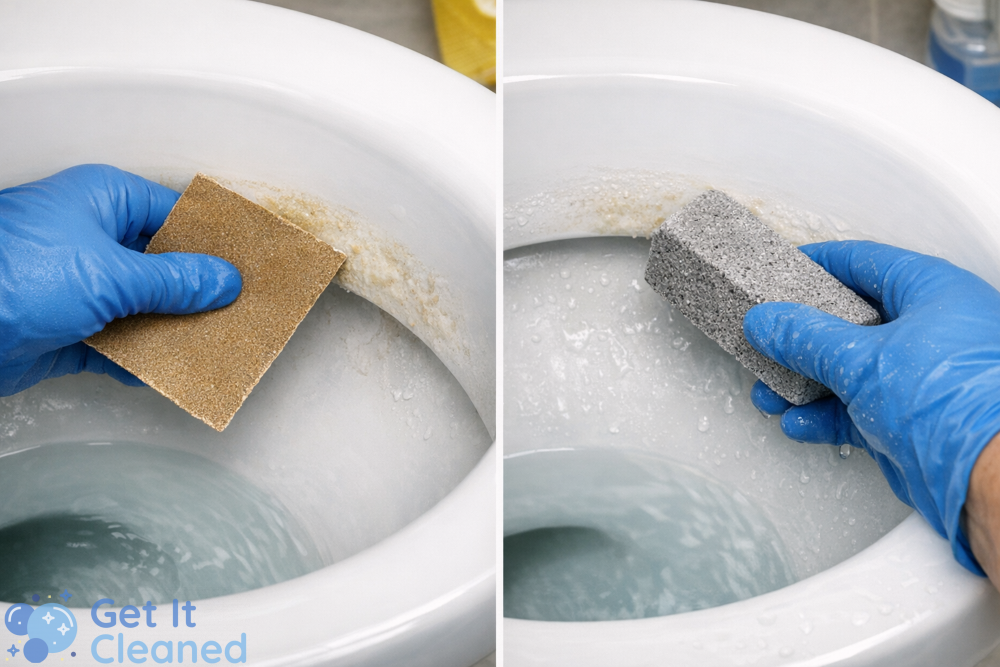
A gentler trick is to pre-soak the area with hot (not boiling water) to soften the build up before you attempt any abrasion. If you do use a pumice stone, keep checking your progress so you remove limescale from your toilet without leaving dull patches behind.
Removing Limescale With Specialist Products
If you are hesitant about using sandpaper or pumice stones because of the damage they may cause to your toilet bowl, but the white vinegar and other methods don’t work, consider the option for specialized limescale cleaning products, which is a valid method on how to remove limescale from toilet. Most of these should be more powerful than vinegar, and if you look around you may even find such that don’t contain many harsh chemicals that will put your and your family’s health in danger. Mind you, none of those will be as cheap as using lemon juice or white vinegar and baking soda, but they may get the job of cleaning harsh limescale stains quicker and in a more pain-free manner.
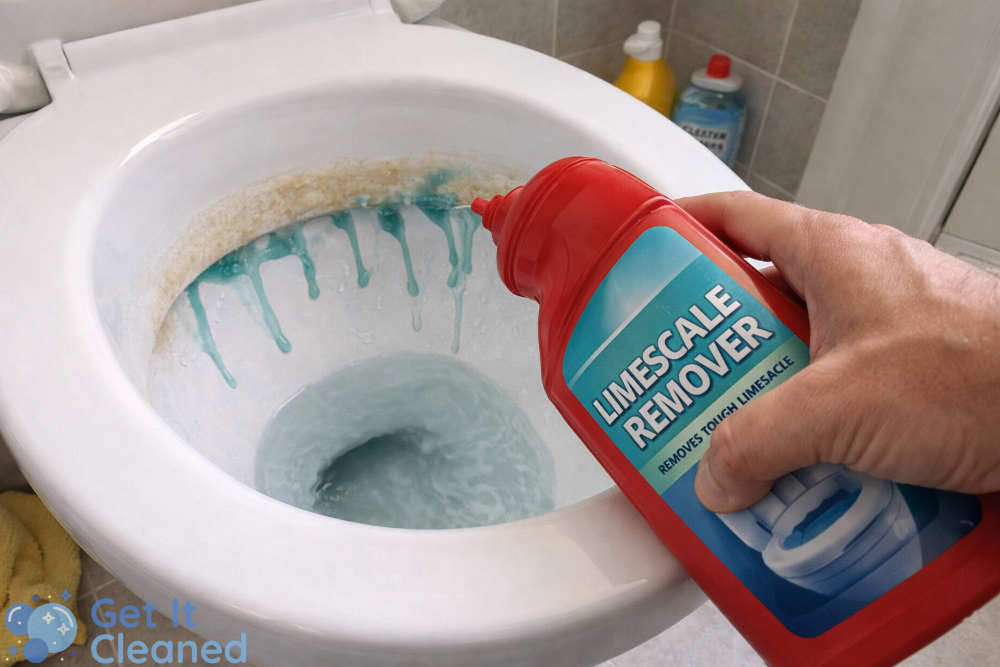
If you choose chemical cleaners, follow the label carefully and never combine different chemical cleaners in the bowl. It’s smart to wear gloves and ventilate the bathroom, then scrub with a toilet brush once the product has loosened the scale under the toilet rim.
Preventing Limescale In Your Toilet Bowl
As you may have guessed, prevention is a much better strategy than trying to remove limescale once it occurs. To prevent limescale in the toilet, using a water softener works best. The cubes are placed in the water reservoir of your toilet and make the water soft, thus preventing limescale from occurring. This, combined with regularly cleaning and scrubbing your toilet should fix the issue before it even occurs.
A quick weekly wipe around the toilet rim with a spray bottle of vinegar solution can help stop limescale before it turns into a hard ring. Keeping up with regular cleaning also means you’ll spend less time trying to remove limescale from your toilet later.
FAQ on Removing Limescale from Toilet
Use an acidic option like cola or vinegar, let it sit, then scrub with a toilet brush and flush. That should do it fast.
Yes, undiluted white vinegar can help with thick limescale if you let it sit longer and then scrub with a toilet brush.
Yes, adding vinegar and then baking soda creates a reaction that can loosen deposits.
It can help loosen limescale because it is acidic, especially if you pour it around the toilet rim and let it sit.
Do not combine different chemical cleaners in the bowl. Follow the product label, ventilate the room, and wear gloves while you work.