
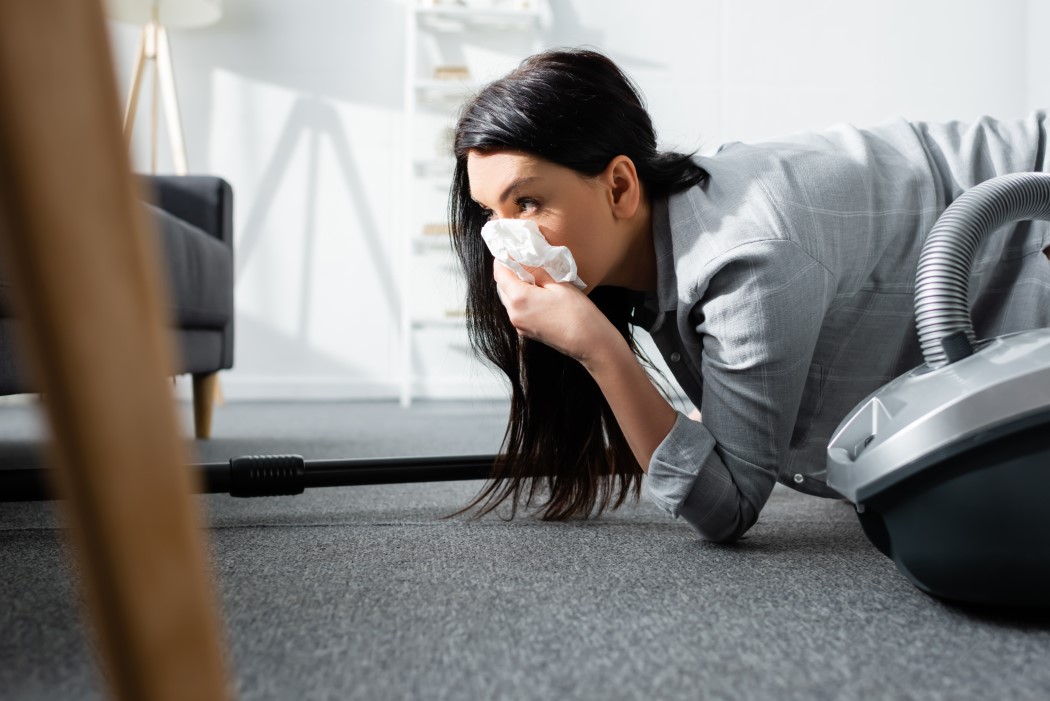
Cleaning a carpet can be time-consuming, as reported by our technicians and clients alike, but it is essential to not only wash it correctly by using the right equipment and cleaning products, but also ensure it has the chance to dry to avoid leaving a damp odour. Here are a few ways to prevent an odour from developing when cleaning a carpet.
Before you start, do a quick sniff test.
If the carpet smells sharp, sour, or like a smelly carpet already, plan for odour control first, as it might be actually too late afterwards, or the carpet smells after cleaning can feel louder than before. A strong smell, a bad smell, or even an awful smell can point to old spills hiding in the padding. That “locker-room” musky smell or a classic musty smell often means moisture sat too long and left unpleasant odours behind. If you’re thinking “this carpet smell worse than yesterday,” you’re not imagining it—unpleasant smells can wake up once water hits them.
What Makes a Carpet Smell After Cleaning?
Most cleaning processes include using water, such as hot water extraction or steam cleaning. When cleaning a carpet using this technique, the water is fed into the carpet and soaks it up. Sometimes this leaves a damp smell, which is why ventilation is such an essential after-care method.
If your vacuum or carpet cleaning machine is quite dated, this can also affect how the carpet smells after you’ve washed it. You might find dirt and grime have collected inside and will show up during carpet cleaning. This can give off an odour. Baking soda is an excellent way of tackling a carpet smell after cleaning by using a small amount across the surface of the carpet.
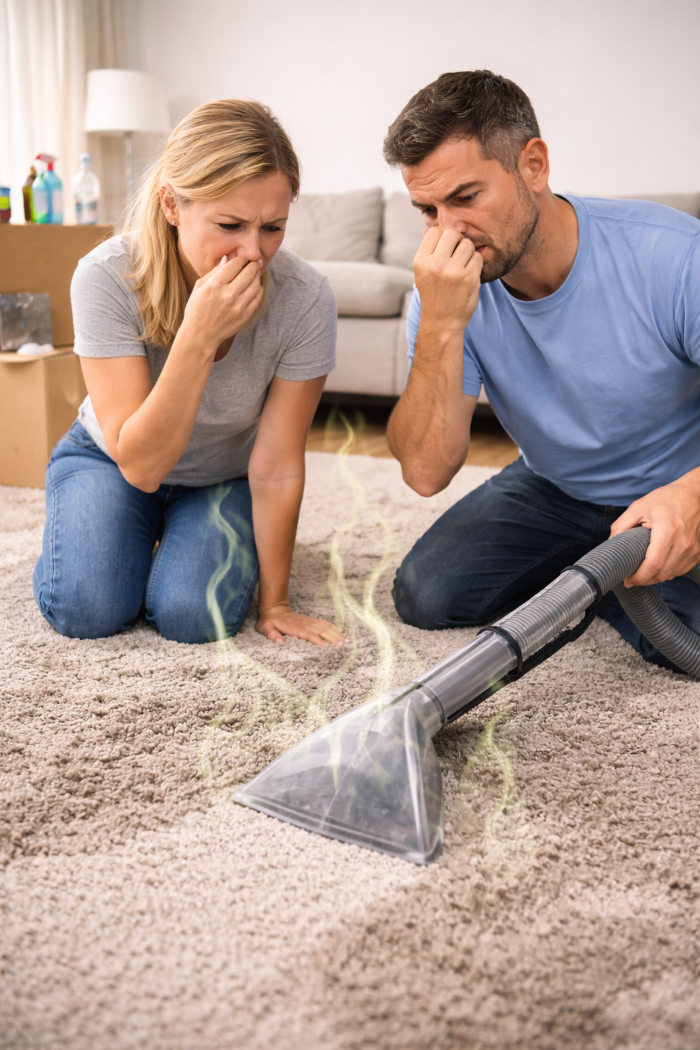
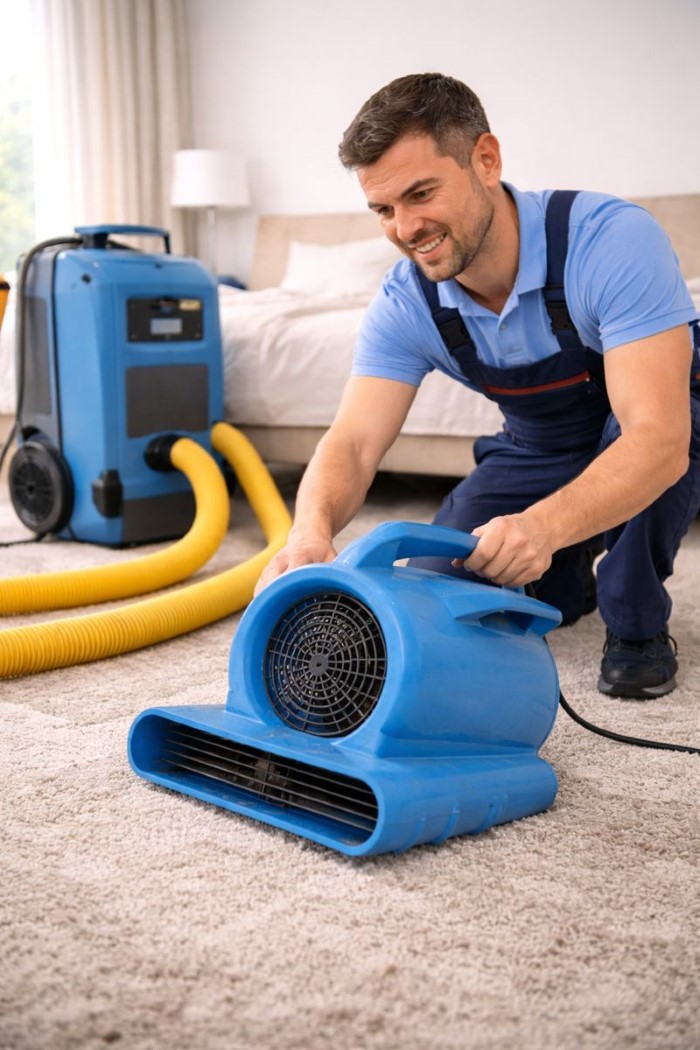
Not airing out your carpet thoroughly is a huge factor in your carpet producing an odour after cleaning it. By opening all of your windows and doors, the air circulates through the property and not only dries your carpet, but also aids in preventing it from smelling.
Certain cleaning products and chemical compounds may also give off an odour while cleaning, but this should fade within the first 24-48 hours of carpet cleaning.
Lastly, if there’s a buildup of bacteria that is embedded in the carpet fibres (and nobody wants that), a surface clean won’t suffice, and the odour will linger. This is why it’s essential to do a deep clean of your carpet at least once a month to ensure bacteria have been killed, and mould doesn’t have the right environment to thrive. Hot water extraction or steam cleaning is an excellent method, that we from Get It Cleaned also use, of carpet cleaning to make sure this doesn’t happen, and your carpet remains odour-free.
The sneakiest culprit is pet urine.
It can sit in carpet fibers, then flare up during cleaning carpets and create a nasty smell that spreads past the affected area. If it smells like wet dog, treat that patch first: spot cleaning with a vinegar solution made from lukewarm water and white vinegar, then lightly mist—don’t drown it. A generous amount of carpet shampoo won’t fix it if the underlay is holding moisture and microbial growth starts. That’s how mildew growth turns a normal floor covering into a problem zone.
Ways to Prevent Odours After Carpet Cleaning
Carpet cleaning requires a number of things to prevent odours and smells from developing. Sometimes, despite being time-consuming, the benefits definitely outweigh the risks of not taking these precautions.
- Make sure your vacuum or cleaning machine is working correctly when carpet cleaning, and that there is no sign of mould or bacteria inside.
- Always simply rinse the water out of carpet cleaning equipment, such as a hot water extraction machine.
- Just try to air dry your carpet by opening up all doors and windows in your property, allowing the air to circulate. You can also use a fan to speed up this part of the drying process.
- A lingering odour or damp smell can stem from over-wetting during carpet cleaning. It’s better to try, no matter how hard it might seem, removing a stain, for example, by blotting it with a chemical compound or cleaning product, than it is to use excessive water or liquid on it. The carpet fibres soak this up, and the more you use it, the longer it takes to dry. This can then lead to mould or damp developing.
- Walking over your carpet before it’s dry, although sometimes necessary, should be avoided. In a high-traffic household, this can prove to be difficult, but your carpet must be completely dry before using it to prevent bacteria and dirt from clinging to it.
- If your carpet already has an odour, you should deal with it first by applying a cleaning solution or baking soda over the surface area and allowing the carpet fibres to absorb it before using a vacuum or hot water extraction machine.
- Use natural ventilation whenever possible, as it is the best form of drying a carpet. You can also use fans if needed to increase air flow.
- Steam cleaning or hot water extraction is a proven way to ensure your carpet undergoes a deep clean. This is excellent at avoiding a damp or musty after smell, leaving your carpet fresh.
How To Remove an Odour From a Carpet After Cleaning?
One of the most used staples in your cupboards is baking soda, or at least for most households, and it can be used to remove a smell from your carpet by dusting it over the surface. If using baking soda, or bicarbonate, allow it to sit on the carpet overnight if possible or at least a few hours, before vacuuming and washing.
White vinegar (even though it sounds trivial) also works well for carpet cleaning and has been known to remove deep stains, grime, and bad odours. By adding it to a spray bottle along with water, you can easily control the amount that goes onto the carpet, preventing overwetting – which is not good as well. It’s best to leave the mixture soak into the carpet for a while. Depending on the carpet material or type, you can then add baking soda as an extra layer of cleaning, especially if the smell is pungent.
The most essential part of removing an odour or smell from a carpet after cleaning is to ventilate the room or space you are cleaning properly. Always open up doors and windows to make sure the air is circulating, letting the carpet breathe. Doing so reduces an after smell, lowers the risk of damp or mould forming and ensures your carpet dries properly.
For pet accidents, kitty litter can help in the first hour by pulling moisture up before you clean. It’s a bit like putting sand on an oil spill—simple, but it can stop a bad smell from settling in.
How Long Does A Carpet Smell After Cleaning?
Usually, and as reported by our technicians, between 24 and 48 hours after carpet cleaning, the smell should be gone. Anything over this could mean that your carpet is carrying excess water – and you definitely do not want that. It might also be due to not having air-dried the carpet. Using a fan shortens the drying time, but it’s advisable to still open up all doors and windows in your property to allow the air to circulate, which might be difficult in the winter. By using a fan alone, moisture is carried through the air, and without it having anywhere to go, it can land on or seep into other areas in your home, such as walls or furniture, as well as the carpet.
When carpet cleaning, if the area has an excess amount of furniture in it, this can affect how quickly your carpet dries and lead to excess moisture lying around, which often produces a musty odour.
Will a Damp Carpet Odour Go Away?
Ultimately, yes. If, after 24-48 hours, a damp smell continues to linger after carpet cleaning, you can implement techniques such as using baking soda on it or products such as fabreeze which are designed to tackle carpet smells. Maintenance is key with carpets in a commercial property or residential home.
Address spills and stains immediately, and use baking soda before cleaning to remove a lingering odour.
If, after every method has been tried and tested, consider getting in touch with a professional carpet cleaner so they can better assess the extent of damage to your carpet and offer a solution.
Drying and Ventilation Post Carpet Cleaning
Drying is the main event
Try to avoid over wetting, and finish with extra dry passes so the carpet isn’t soaking wet. Keep air moving, use open windows, and don’t block vents if your hvac system is running. Low water pressure can trick you into going over the same spot again and again, so pause and extract instead of adding more water. Lift furniture feet off damp areas if you can, because trapped moisture slows faster drying. Then stick to regular vacuuming once it’s dry, so freshly cleaned carpets stay that way. If a smelly carpet returns fast, plan deep cleaning sooner, not later.
First and foremost, make sure when carpet cleaning, you are not over-wetting your carpet. If this occurs, no matter how long you dry it out, a smell or odour might be present afterwards. Even if the carpet is surface-level damp, the carpet fibres will still soak up the water, and if that isn’t dried properly, it’ll not just give off a foul odour, but it can also lead to mould. The simple task of drying a carpet after cleaning prevents bacteria build-up, mould and damp, and ensures the longevity of your carpet. Mould isn’t an easy fix and can often lead to health risks such as developing allergies and asthma flare-ups.
Delamination, for example, can happen if you do not dry your carpet properly. This is where the carpet splits, causing bubbles in the fibres and material which cannot be reversed. It’s always better to increase ventilation by opening up all doors and windows in your property or residential home, to ensure the carpet dries efficiently.
If you’re using a fan to speed up the drying process, make sure it is directed across the carpet to allow the moisture to be taken away. Heat works just as well to assist with carpet drying and ventilation. Heating warms your home and the air in it, which keeps hold of the moisture and prevents damp. Dehumidifiers are great prevention tools for mould and damp, and you can also use them when drying your carpet.
The most cost-effective way of drying a carpet after cleaning is by using natural ventilation in the form of windows and doors. Fresh air is the best way of drying your carpet and preventing mould or a damp odour.
When to call a pro
If the carpet smells after cleaning for days, or the carpet smell worse after every wash, book a professional carpet cleaning service. They can check padding, measure moisture, and recommend proper ventilation for your layout. It’s often cheaper than chasing the same smell in circles.
FAQ
Usually it’s leftover moisture, residue, or odours reactivated in the carpet fibers.
Over-wetting, slow drying, or old stains like pet urine can make the smell pop back up.
Use open windows, keep air moving, and do dry passes until it’s not damp.
Do spot cleaning on the affected area with a vinegar solution, then lightly mist and extract.
Avoid over wetting, keep proper ventilation, and keep up regular vacuuming after it’s dry.