
Carpet cleaning is a big-ticket item in just about any residential home and commercial space. Not only do carpets provide a level of comfort, some insulation, and a dash of style to your home, but they’re also a key prevention tool against dust and grime. To keep your carpets looking their best – and your indoor air quality high – you need a carpet cleaning method. Many carpet manufacturers have specific cleaning in mind, like steam cleaning or hot water extraction, to help keep your carpets looking new and extend their lifespan.
The two main forms of carpet cleaning are Steam Cleaning or Hot Water Extraction and Dry Cleaning. Choosing the right carpet cleaning method is crucial for keeping your carpets in top shape – and steam and dry cleaning are the two most popular carpet cleaning methods homeowners use. Understanding the differences between these methods, including what type of carpet you have, is super important when picking the right method for your lifestyle.
Wet Cleaning: The Power of Hot Water Extraction
When professionals, like our team of carpet cleaning technicians, talk about deep clean services, they’re usually talking about hot water extraction – also known as steam cleaning or wet cleaning. This method uses a steam cleaner, professional-grade equipment, and the right cleaning solution to get the job done effectively, and it’s an eco-friendly option to boot. It’s great for stain removal and is perfect for those with allergies.
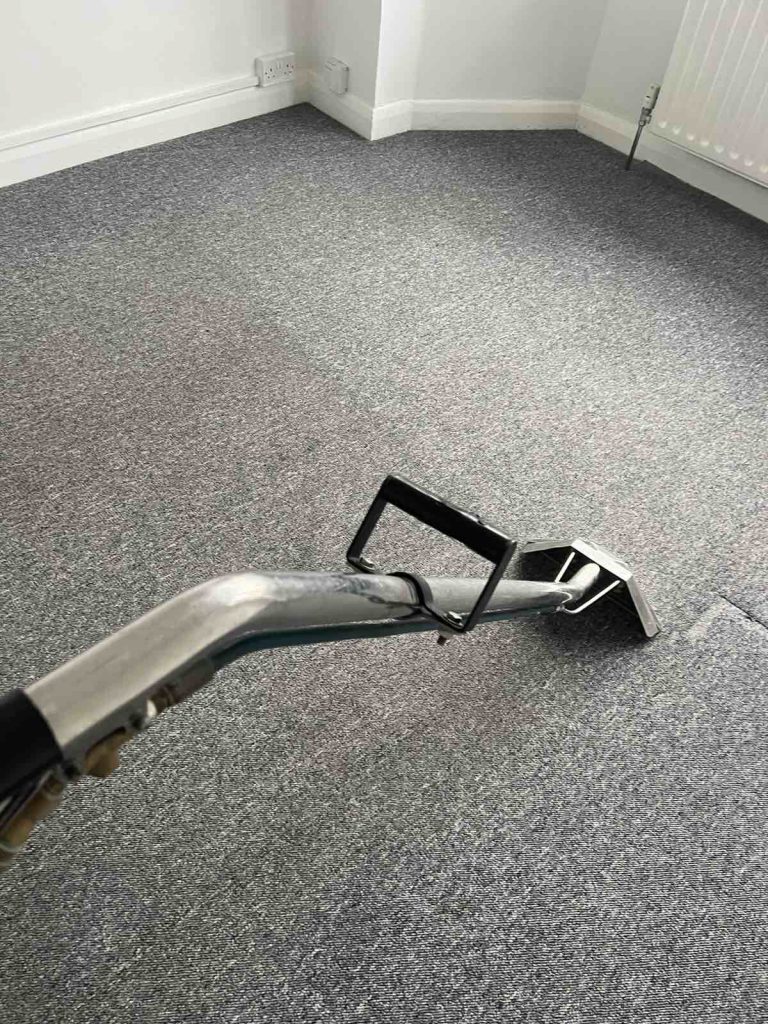
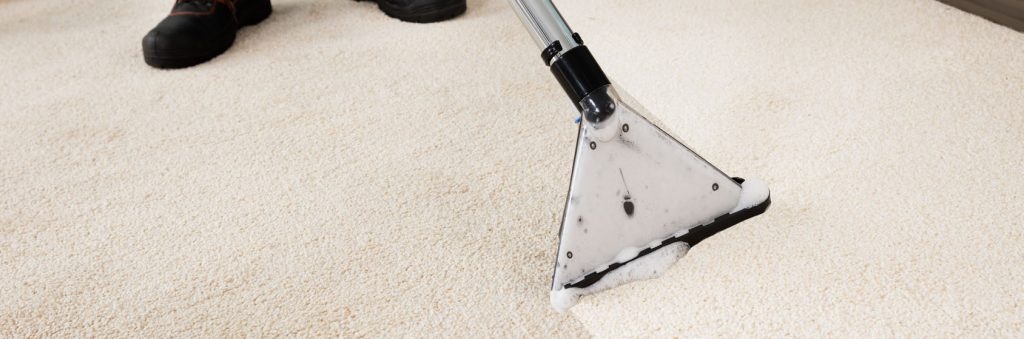
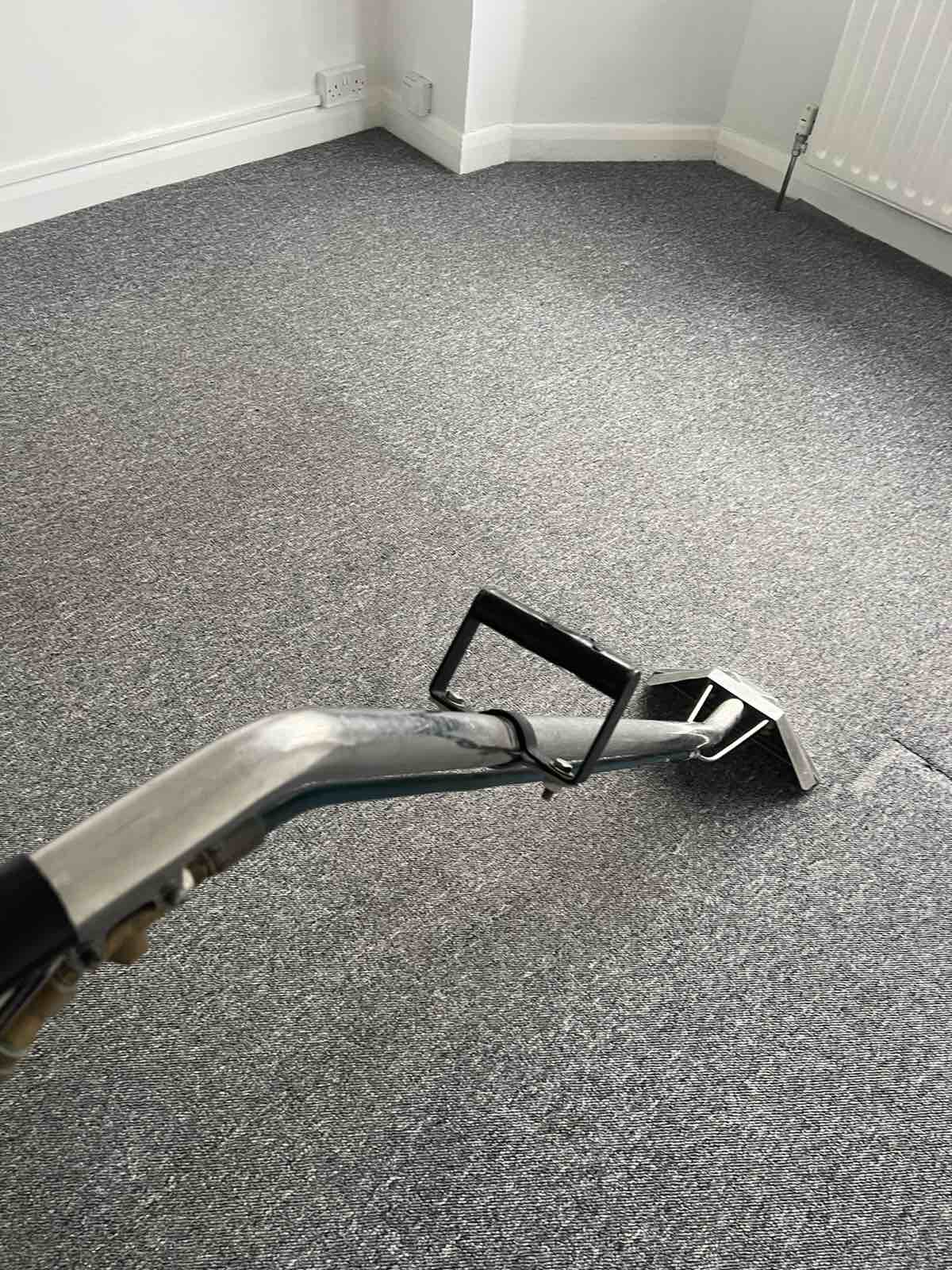
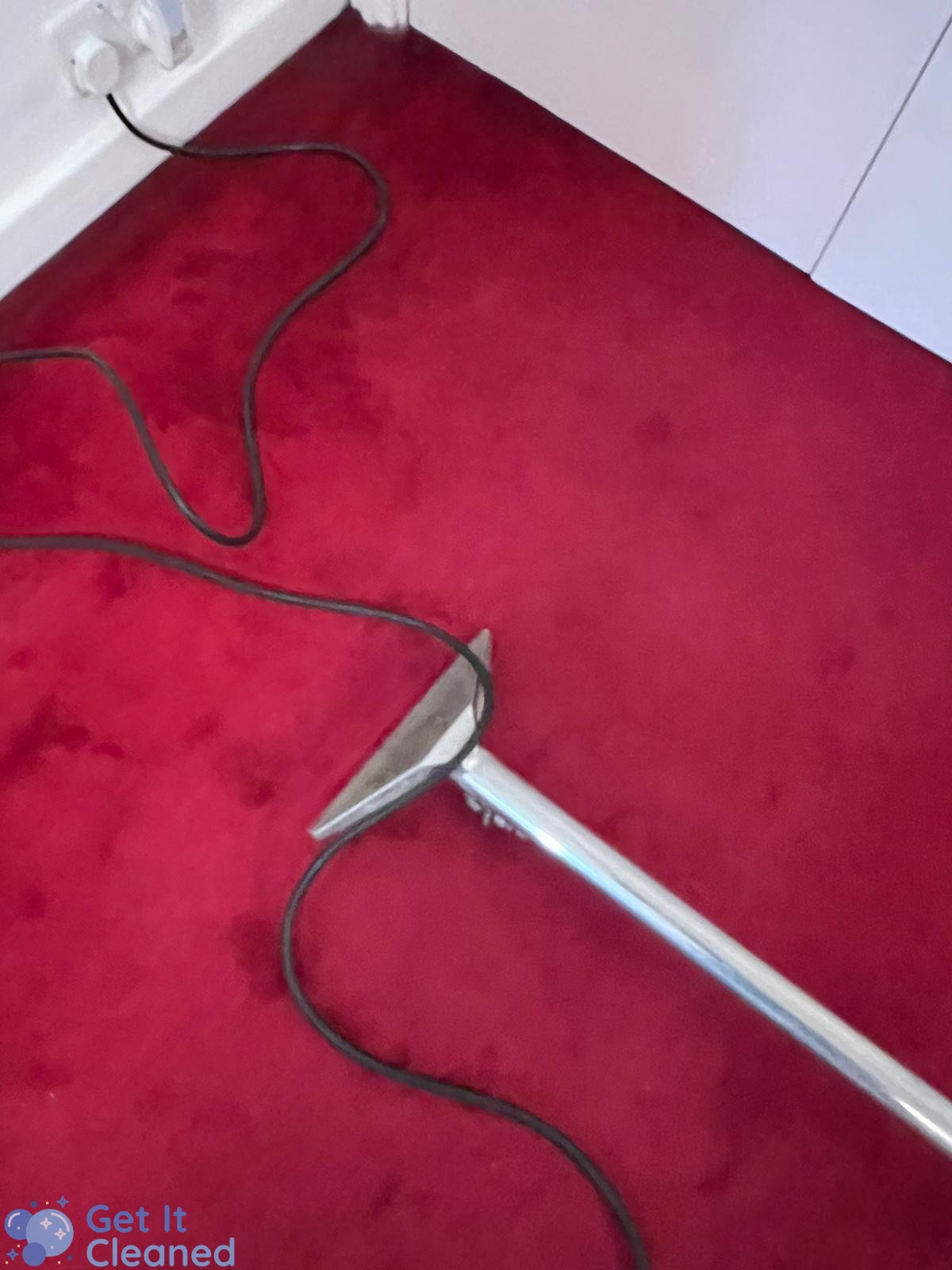
Steam cleaning, also known as hot water extraction, is the most commonly used carpet cleaning method. It involves using a steam cleaner and a hot water solution mixed in with a cleaning solution. The steam cleaning process usually involves vacuuming your carpet to remove any surface debris first, then pre-treating stains, before injecting the hot water deep into the carpet fibres. Then, a powerful vacuum extracts the water along with any tough stains.
Steam cleaning is a pretty deep clean method that gets rid of dirt that’s embedded deep in your carpet, which makes it perfect for high-traffic areas, homes with pets, kids, or people with allergies. It’s super effective at removing pet smells and hair, and if you have pets or allergies, it’s recommended to get your carpets steam cleaned at least once a year to make sure you’re getting rid of deep-seated dirt and allergens. Steam cleaning is often the go-to recommendation from carpet manufacturers for stain removal and for maintaining and extending the life of your carpet. Regular steam cleaning can even help extend the life of your carpets by removing dirt and contaminants that can wear down your carpet fibres over time. It’s often viewed as the ‘gold standard’ for households and spaces that need a deep clean and typically leave your carpets looking a lot cleaner than with dry cleaning. Steam cleaning doesn’t leave any residue on your carpet after it’s been cleaned, and it leaves your carpet looking a lot better, especially if it’s been neglected.
- It’s the most hygienic option out there, as the high temperature of the water vapour sanitises your carpets and kills germs and dust mites.
- The biggest difference between the two methods is the drying time – with hot water extraction, your carpet is going to be pretty saturated, and it can take a full day to dry – sometimes even up to 24 hours.
- Steam cleaning generally costs more than dry carpet cleaning.
- Households with allergies like steam cleaning because it gets down to the surface of your carpet, working through the natural fibres.
- High-traffic homes often have deep stains – and hot water extraction, or steam cleaning, is perfect for this.
Dry Carpet Cleaning: Speed and Convenience
If you live in a high-traffic home or a busy office environment, then you just can’t afford to wait around all day for a floor to dry. That’s where dry carpet cleaning comes in handy.
Dry cleaning methods use dry cleaning solutions and specialized cleaning compounds that break down dirt and oily residues on your carpet fibres. This process uses minimal moisture, relying on these compounds to get the job done quickly, while also ensuring quick drying times and minimal disruption to your daily activities. Dry carpet cleaning is often preferred for quick cleaning jobs, especially in commercial settings where downtime is a big issue.
With dry cleaning, only a small amount of moisture is used in the process. It involves using carpet cleaner powders or other cleaning agents on your carpet, then using a rotating brush or bonnet machine to agitate the fibres before vacuuming up the residue. Dry cleaning means your carpets can dry completely in as little as 30 minutes to 2 hours, so you don’t have to worry about over-wetting your carpet.
Dry cleaning is perfect for delicate materials and natural fibre carpets, like wool, silk, and jute, as it prevents damage from excessive moisture. But, dry carpet cleaning isn’t recommended for families with allergies as it uses harsh chemicals, and the main downside is the potential for chemical damage to your carpet over time. Dry carpet cleaning is also generally less expensive than steam cleaning because it’s a quicker process and uses less moisture. However, dry cleaning only offers a surface clean, so if you’re dealing with deep-seated grime and allergens, it’s not going to get rid of them.Choosing the Right Carpet Cleaning Solution: Why it Matters
Deciding on the best carpet cleaning solution has a major impact on how effective and convenient the whole process is going to be.
Why Dry Cleaning is a Good Idea
- No need to wait – dry cleaning gives you instant results. You can practically walk on the carpet right after the job is done.
- However, while it’s great for getting rid of surface-level dirt and everyday wear and tear, dry cleaning doesn’t always reach the deepest dirt and grime that’s accumulated in your carpet.
- Dry cleaning is a great choice for high-traffic areas, commercial spaces, homes with pets or kids – basically anywhere you need a quick, low-fuss solution.
Deep Clean Your Carpets (London)
Remove deep stains and allergens. Same-day slots available across London.
Get QuoteCarpet Cleaning Comparison: Steam vs Dry
If you’re trying to decide between steam and dry carpet cleaning, there are a few key differences to keep in mind. When it comes to steam and dry, the main things to consider are the level of moisture involved, how deep the clean gets, and how long it takes to dry.
Carpet Cleaning Comparison
Here are the key differences between steam and dry and there’s no straightforward answer to which is the best carpet cleaning method. When it comes to choosing between the two, you need to think about whether you want a deep, thorough clean (which steam is great for – but takes longer to dry) or a quick, low-mess solution (which dry is perfect for – but doesn’t get as deep into the carpet).
Steam Cleaning (Hot Water Extraction)
- Great for heavy-duty dirt and stains – especially the kind that get deep into the carpet – like pet stains. Steam cleaning really gets into the carpet to get those deep-down stains out and leaves it feeling fresh and clean.
- Takes a bit longer to dry.
- Good for the environment and healthier too, all because it uses just water and heat.
- Best for deep cleaning, especially when you need to get into the carpet fibres themselves.
- Works on lots of different carpet types.
- Kills more bacteria than dry cleaning.
Dry Carpet Cleaning
- Quick and easy to do, with a drying time that’s almost instantaneous.
- Only really good for getting rid of surface-level dirt – not so great for deep-down stains or dirt.
- Only kills surface-level bacteria.
- Great for stain removal and light spills.
- Uses all sorts of cleaning agents and chemicals – all specifically designed for carpet cleaning.
Keeping Your Carpet Clean for Longer
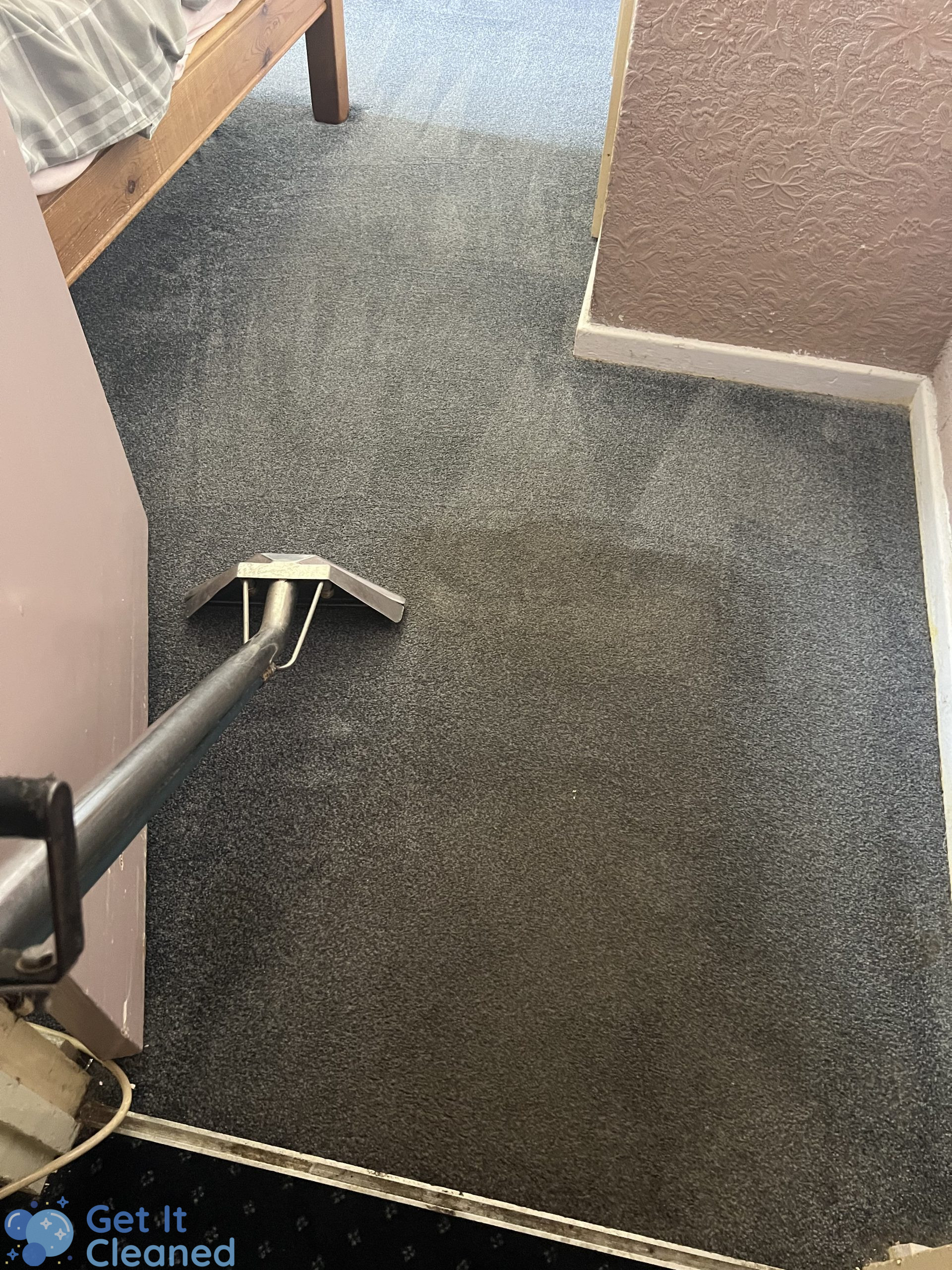
As adviced by our carpet cleaning technicians in Get It Cleaned – Pedro, Ivan and George: regardless of whether you go with dry or steam carpet cleaning, there are a few things you should keep in mind to make sure your carpet stays clean and looking its best for as long as possible.
- Vacuum regularly – it’s amazing how quickly dirt and dust can accumulate in carpet. If you do it regularly, it gives you a chance to get into all the nooks and crannies and stop dirt from getting deep into the fibres.
- Blot spills as soon as they happen – rubbing can end up pushing stains deeper and even damaging the carpet fibres themselves.
- Before you start cleaning, make sure you know what type of carpet you’re dealing with. Some fibres are way more delicate than others, and you need to treat them that way.
- Always make sure to ventilate the area properly after cleaning – you don’t want any moisture lingering and making it easier for mould to grow.
Common Mistakes to Watch Out for When Carpet Cleaning
- Don’t overdo it with the water when you’re steam cleaning – it can end up damaging the carpet and making it smell all awful.
- Make sure you get rid of all the dirt and cleaning agents after you’ve finished – leftover gunk can look way worse than a dirty carpet.
- Don’t use just any old household cleaners – they can damage the carpet or discolor the fibres.
When it comes to choosing between steam and dry, when deciding upon booking carpet cleaning services, the real answer is that there isn’t one. It all depends on what you need – and what you’re willing to put up with.
A weekly vacuum is essential to keep things tidy – and throwing in a deep clean every 6 to 12 months helps keep things looking their best. If you need a deep clean to get rid of allergens, bacteria and tough stains – then steam is the way to go. And it’s eco-friendly too! But if you need something that’ll dry super quickly and you don’t want to risk getting mould from excess moisture – then dry is the better bet.
Ultimately it all comes down to what your priorities are.