
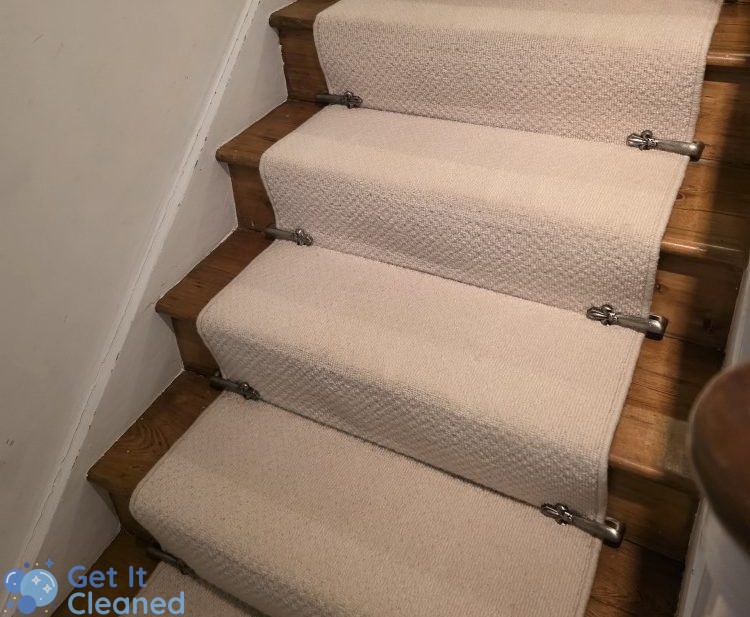
The staircase is often the architectural centrepiece of a home, but from a maintenance perspective, it is also the most demanding. As a high-traffic part of the house, your stairs endure constant footfall, making choosing flooring a critical decision.
Choosing the best carpet for stairs is more than just picking a colour you like. It requires a balance of safety, high density, and durability.
Safety and Durability: The Top Priorities
When looking at carpets for stairs, safety is essential. Stairs present a tripping hazard if the wrong material is used, which is why it’s necessary to look at the durability of a carpet before choosing which one is the best option.
It also helps to think about how your stairs connect to other high traffic areas, such as hallway carpets and the landing. A landing carpet that’s too plush compared to the stair tread can create an awkward “step change” underfoot, so keeping a similar pile height from stairs to landing carpet is a smart move. If you’re aiming for the best carpet across connected spaces, consistency usually looks cleaner and wears more evenly.
- You need a carpet that provides firm traction and grip for your stairs. Avoid thick, ragged carpets, which can hide the edge of the step, snag and lead to slips.
- Nylon and wool are the hardest-wearing materials in terms of carpet standards. Nylon is incredibly resilient and resistant to losing its shape, while wool is naturally sturdy and handles pressure without matting the fibres.
- High-density, low-pile carpets for stairs are best in terms of safety and durability. It also provides enough stability for heavy foot traffic.
Style and Design Options for Stair Carpets
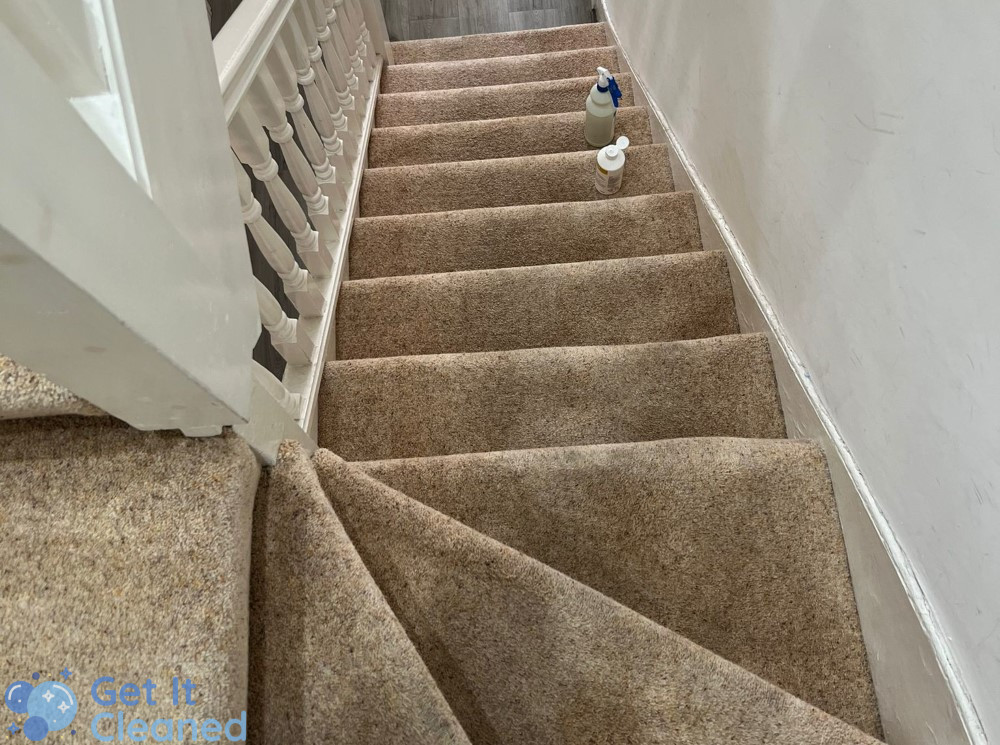
The carpet for your staircase is a great focal point to show personal style. Patterned, flecked, or speckled carpets are an interior designer’s dream. They’re sophisticated, modern and conceal dust and minor stains. Whether you choose a seamless, fully fitted design or a stylish stair runner, ensure it flows with the rest of your property’s overall aesthetic. Here are a few style and design options for stair carpets:
- Flecked or speckled carpets are a designer’s secret weapon. Not only do they look sophisticated, but they are also masters at concealing dust and minor stains between cleanings.
- Carpets with patterns are also a great statement piece.
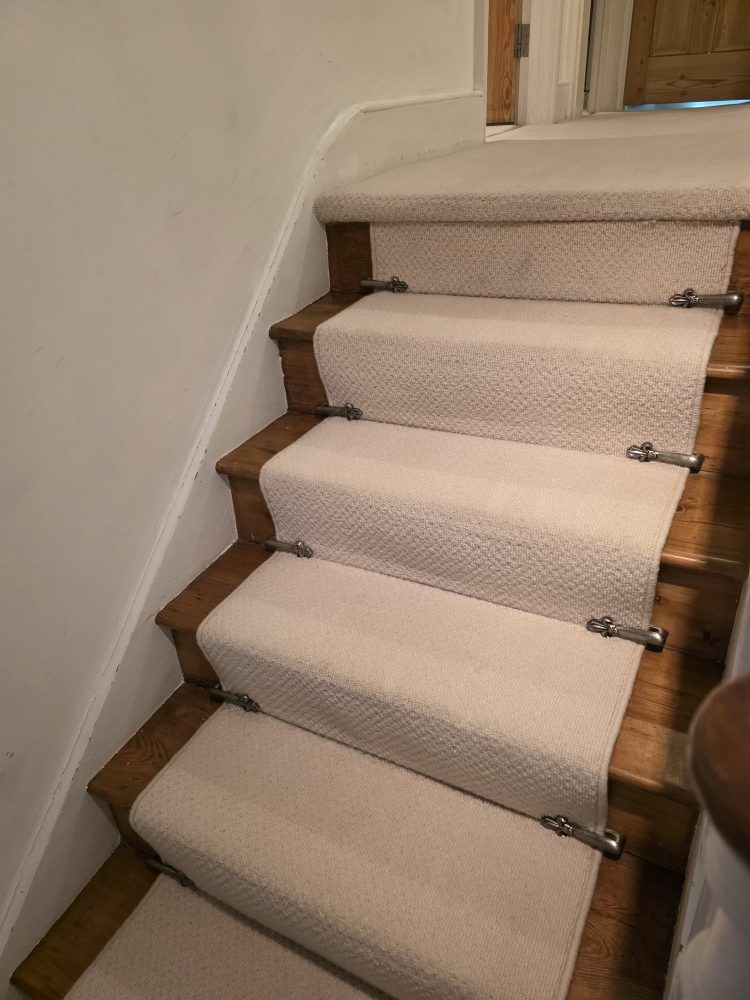
- A fully fitted carpet offers a seamless, streamlined look that can make a home feel cosy and unified. However, stair runners that cover only the centre of the stairs are an excellent style choice. They act as a protective barrier, are often cushioned for comfort, offer a soft feel, and give off an optical illusion, making a narrow staircase appear wider.
- Neutral colours for the carpet and decor are timeless and versatile, they make a space feel larger and are better for property resale.
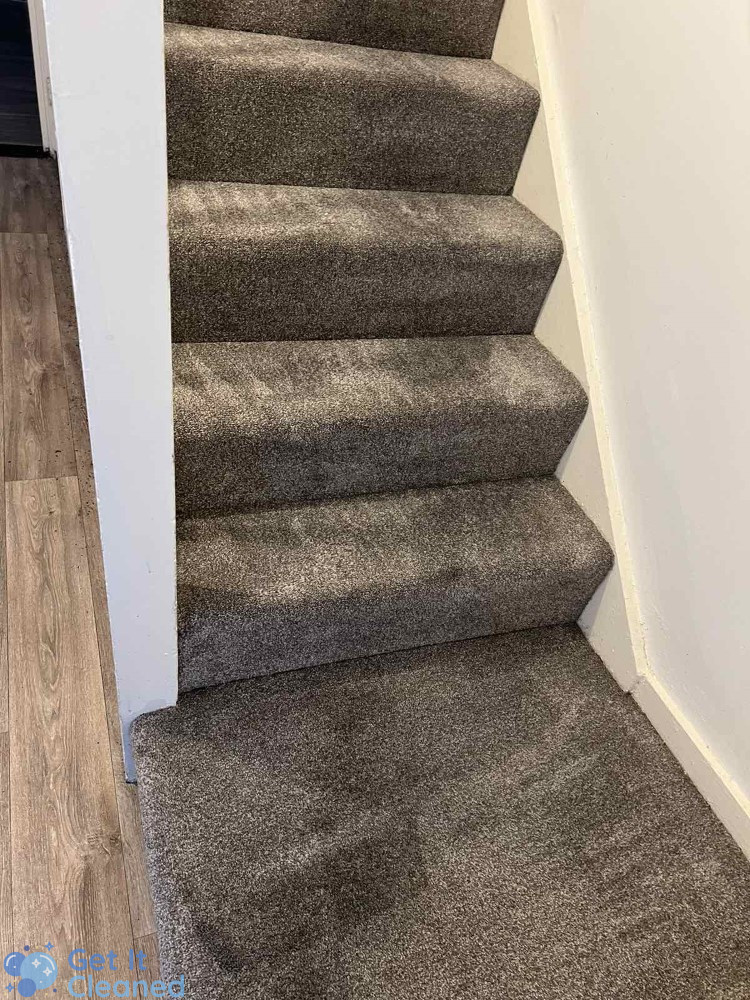
- Bold and dark colours on carpets, such asgreys and deep browns, add a modern focal point to the home and are much more forgiving when it comes to hiding dirt.
- You can also hire an interior stylist when selecting design and style for stair carpets, as well as other areas and spaces of your home or commercial property.
Carpet Colour Selection
Choosing a colour for stair carpets involves balancing your personal taste with practical and longevity needs:
- Neutrals such as creams and beiges make a home appear larger and offer a “blank canvas” if you plan to sell.
- Bold prints, patterns and stripes on carpets create a focal point and hide dirt exceptionally well, though they may go out of style faster.
- Be aware that direct sunlight can discolour darker carpets over time. If your staircase is near a large window, a flecked or neutral tone may hold its colour better.
If your stairs open onto a landing, check how the landing carpet looks in both daylight and evening light, since the same shade can read very differently. A patterned carpet can help bridge slight colour differences between stairs and landing carpet, especially if the hallway is painted a contrasting tone.
Is Dark or Light Colour Carpet Better for Stairs?
Dark colours such as mutedgreys, browns and navy are excellent for high-traffic family homes. They provide warmth and hide the inevitable loose dirt and stains that come with heavy use. Light colours reflect direct sunlight, brightening up the space and opening up narrow staircases. However, light colour carpets require more maintenance to keep them looking fresh and new.
Benefits of Stair Runners
A stair runner covers only the centre of the stairs, leaving the wood visible on the sides.
- They are slip-resistant and often include extra cushioning for comfort.
- Stair runners act as a protective barrier between you and the wood or base carpet. Also preventing wear and tear.
- Runners create an optical illusion, making stairs appear wider and more stylish in overall aesthetic.
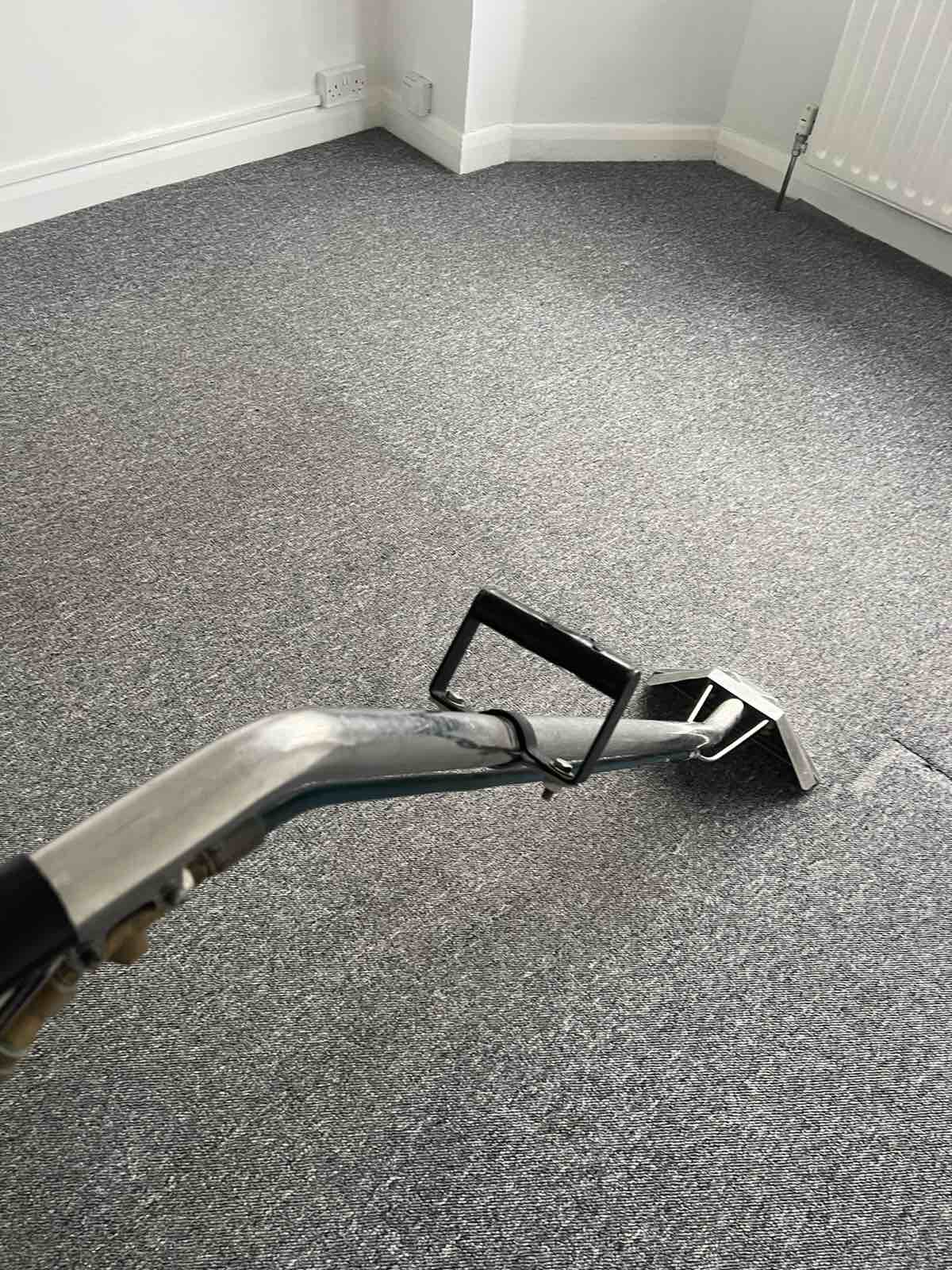
Deep Clean Your Carpets (London)
Remove deep stains and allergens. Same-day slots available across London.
Get QuoteWhat is the Hardest-Wearing Stair Carpet?
If longevity is your main goal, you should look for specific weaves and materials when choosing a hard-wearing carpet for your stairs.
- Twist pile is compiled of tightly twisted yarn, making it highly resistant to “crushing” and footprints.
- Berber carpets or loop pile carpets are very durable and low-density. However, if you have pets (especially cats), their claws can snag the loops, so that a twist pile might be better for animal lovers.
- An 80/20 blend of wool and synthetic offers the “best of both worlds.” The luxurious feel and fire-resistance wool carpets, along with the added stain-resistance of synthetic fibres, are a great choice when choosing a hard-wearing stair carpet.
- Nylon offers the best durability and stain resistance for the price.
- Polypropylene: A cost-effective, stain-resistant synthetic—best for busy family households.
What Carpet Density is Best for Stairs?
Density is the secret to a long-lasting stair carpet, and most importantly, a high-density, low-pile carpet.
- The pile height should be 1/2 inch. Anything thicker can be deemed as unsafe.
- The recommended pile weight is 50 oz for a stairs carpet, especially if the household has heavy foot traffic.
- Never skip the underlay. Using an underlay, no thicker than 7/16 inches, ensures you aren’t compromising safety for aesthetics.
Maintenance Tips for Stair Carpets
Once your carpet is fitted to your stairs, maintaining its condition doesn’t have to be hard work.
If spills occur, tackle them immediately. Scrubbing can damage the twist of the fibres and cause permanent fraying, even if the stair carpet looks clean. Vacuuming once or twice a week removes the hidden grit that can act like sandpaper on the fibres. Lastly, if you notice a snag or a loose thread, do not pull it; use a small pair of scissors to cut the snag instead. This will lower the risk of the carpet fibre or thread unravelling.
Installing Carpet For Stairs
Installing stair carpets is a time-consuming and challenging job that usually requires a professional. Carpet installers or fitters measure precisely, often overestimating slightly to ensure a seamless fit. If you’re doing this yourself, tack Strips are required and are fitted to the back of the treads to hold the carpet in place. When installing carpets, you should start at the top of the stairs and work your way down to make sure the carpet is stretched correctly over each step. Carpet edges will also need to be trimmed or cut at the very end for a streamlined finish.
The Importance of Professional Installation
Installing carpet for stairs is significantly more complex than in a standard room. Professional installation ensures the fit and material are at maximum durability and adheres to safety advice. Never skip the underlay when carpeting stairs. Using a high-density underlay provides comfort without making the surface unstable in any way.
A professional carpet fitter or installer will start from the top and work their way down, using tack strips on the back of the treads to ensure the carpet never shifts. It’s always better to overestimate when measuring carpet, and professional fitters use specialised carpet cutters to provide a streamlined finish where the carpet meets the wall or bannister.
Are 100% Wool Carpets Suitable for Stairs?
Yes, using 100% wool carpet on a staircase is a great choice. 100% wool is an investment, and it’s also naturally resilient with the ability to keep its shape, making it one of the best-performing carpet materials for stairs. It’s naturally stain-resistant and offers a level of comfort that synthetic fibres struggle to match. If the cost of 100% wool is too high, a wool blend is an excellent, cost-effective alternative that doesn’t sacrifice the benefits of a 100% wool carpet for stairs.
When choosing the best carpet for stairs, it’s essential to know that it’s a long-term investment in both the safety of your family as well as the style, design and aesthetic of your home. By using hard-wearing materials like nylon or wool, you ensure that your staircase maintains durability.
If you want the best carpet overall, take home a few samples and view them on the stairs at different times of day, then pick the one that feels stable underfoot and suits your carpet cleaning routine. A patterned carpet can be especially forgiving in family homes, while striped stair carpets can add a crisp, architectural look without needing extra decor.